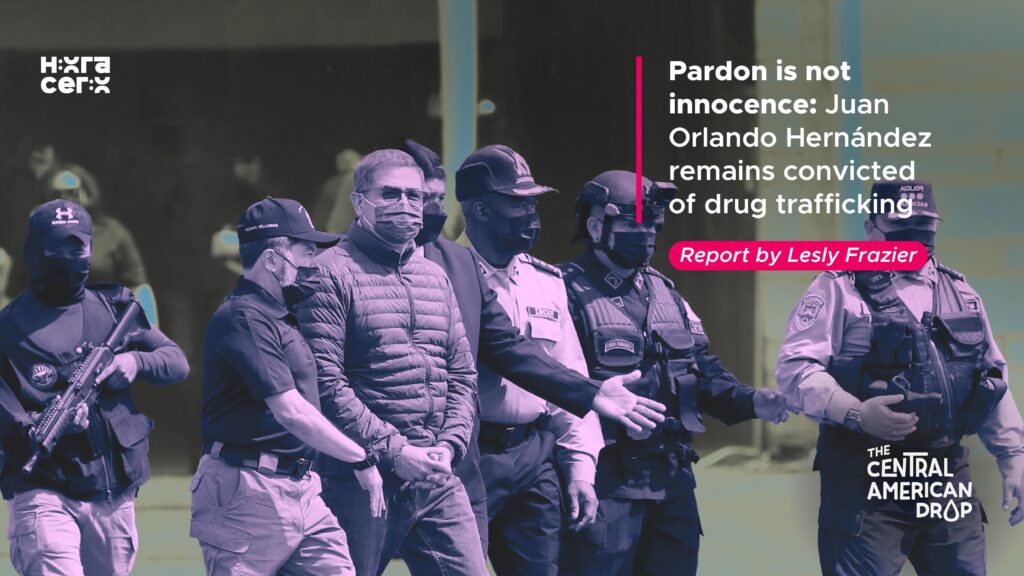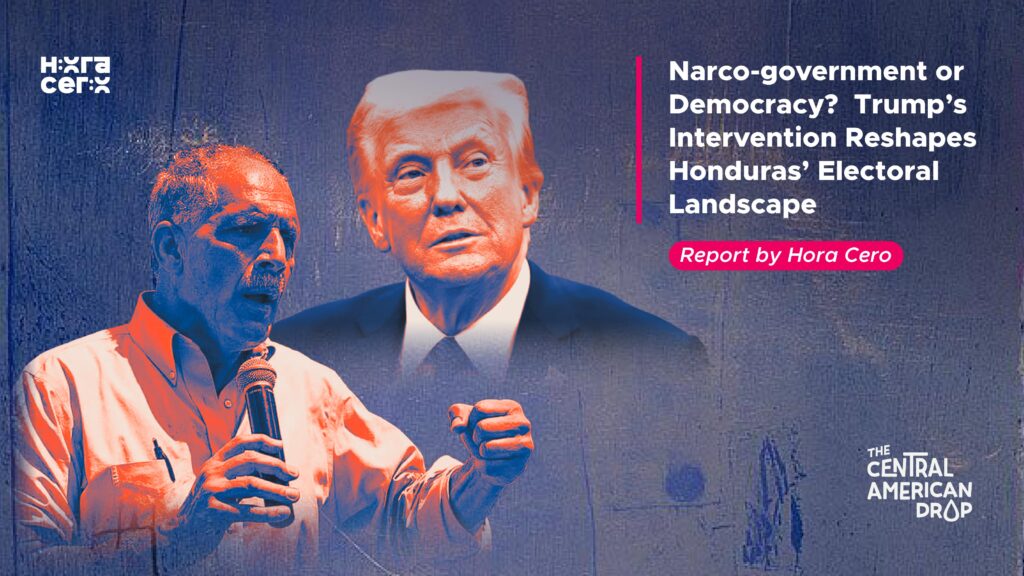
This week’s reporting examines how decisions made in Washington and across Central America are reshaping political landscapes already marked by impunity, forced migration, and authoritarian expansion. At the center is the U.S. presidential pardon of former Honduran president Juan Orlando Hernández—a move that reverberates far beyond a courtroom, directly influencing Honduras’s electoral trajectory and reigniting questions about the United States’ role in the region’s governance crises.
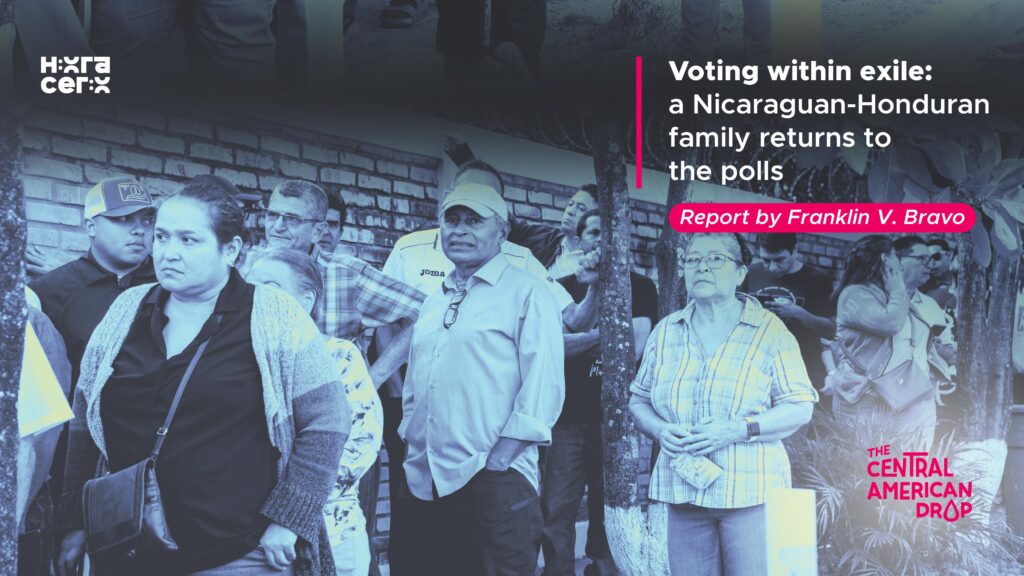
While Hernández’s pardon attempts to rewrite the political narrative, the facts remain unchanged: he was convicted in a U.S. federal court for drug trafficking. The distinction between pardon and innocence is not semantic—it is political. And it casts a long shadow over Hondurans preparing to vote, including those living in exile. For thousands of families straddling Nicaraguan and Honduran identities, participating in elections becomes both an act of civic duty and a confrontation with the very forces that displaced them.
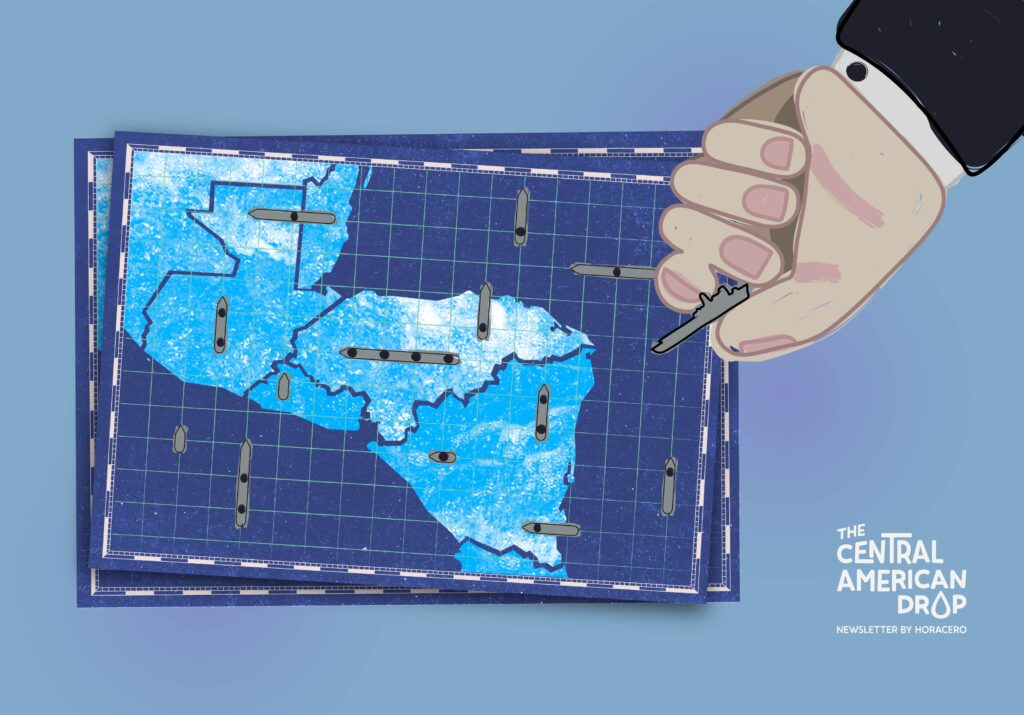
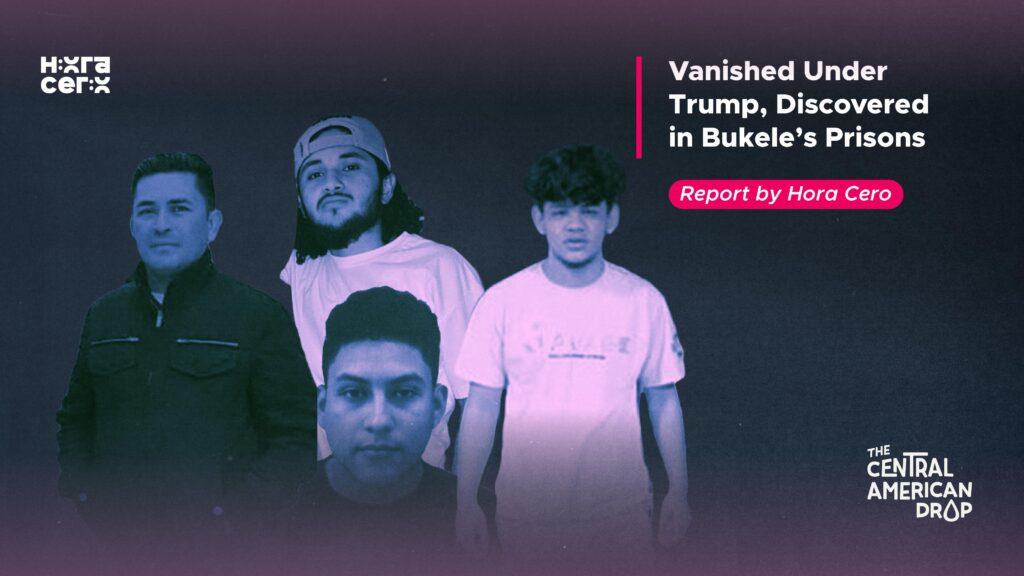
Across the region, the consequences of state power are equally stark. People who disappeared under the Trump administration’s restrictive enforcement policies are now resurfacing inside Bukele’s vast and expanding prison system, revealing the transnational pathways of detention and abuse. Together, these stories expose a region where justice is malleable, migration is coerced, and political futures are negotiated not only at the ballot box, but in prisons, courtrooms, and the policies of foreign governments.
| Cookie | Duración | Descripción |
|---|---|---|
| cookielawinfo-checkbox-analytics | 11 months | This cookie is set by GDPR Cookie Consent plugin. The cookie is used to store the user consent for the cookies in the category "Analytics". |
| cookielawinfo-checkbox-functional | 11 months | The cookie is set by GDPR cookie consent to record the user consent for the cookies in the category "Functional". |
| cookielawinfo-checkbox-necessary | 11 months | This cookie is set by GDPR Cookie Consent plugin. The cookies is used to store the user consent for the cookies in the category "Necessary". |
| cookielawinfo-checkbox-others | 11 months | This cookie is set by GDPR Cookie Consent plugin. The cookie is used to store the user consent for the cookies in the category "Other. |
| cookielawinfo-checkbox-performance | 11 months | This cookie is set by GDPR Cookie Consent plugin. The cookie is used to store the user consent for the cookies in the category "Performance". |
| viewed_cookie_policy | 11 months | The cookie is set by the GDPR Cookie Consent plugin and is used to store whether or not user has consented to the use of cookies. It does not store any personal data. |