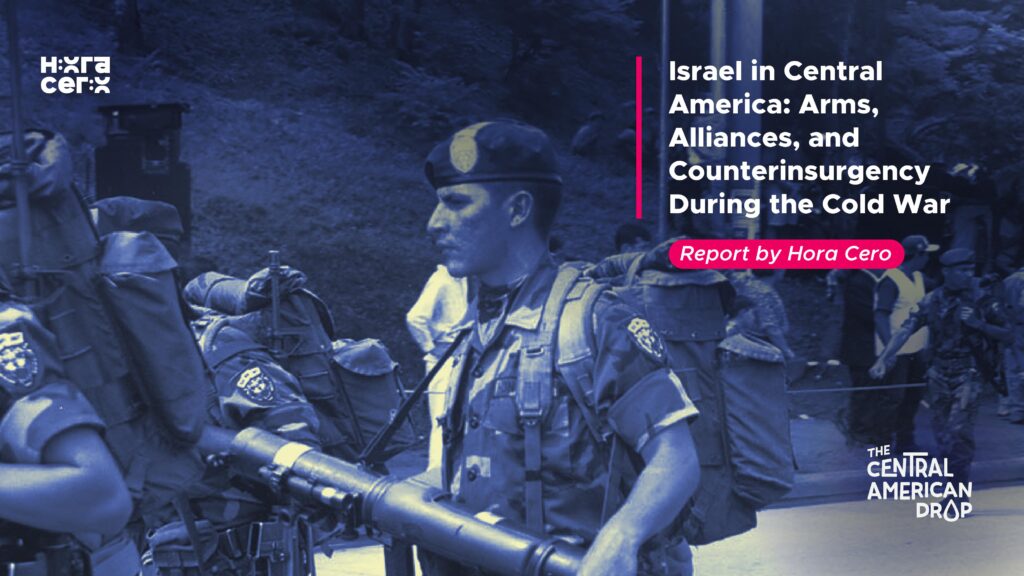

This week, the Central American Drop examines the enduring geopolitical entanglements that have shaped the region’s political and security landscape. In Israel in Central America: Arms, Alliances, and Counterinsurgency During the Cold War, we trace how Israeli military assistance became a critical pillar for embattled governments during the height of armed conflict, reinforcing counterinsurgency strategies aligned with broader U.S. hemispheric doctrine. The piece situates these alliances within the global Cold War architecture, revealing how external security partnerships recalibrated internal repression and left institutional legacies that continue to reverberate across Central American militaries and police forces.
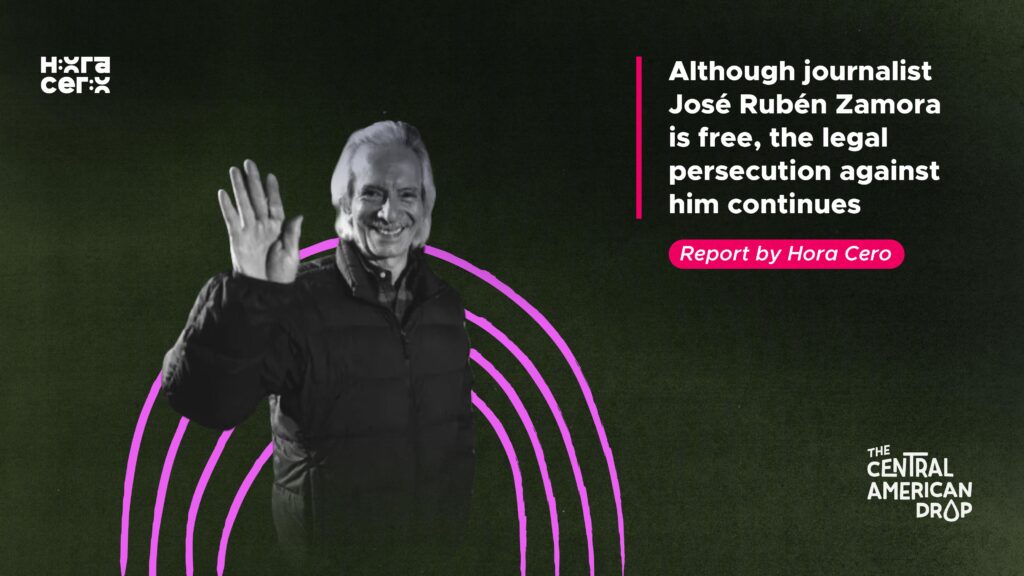
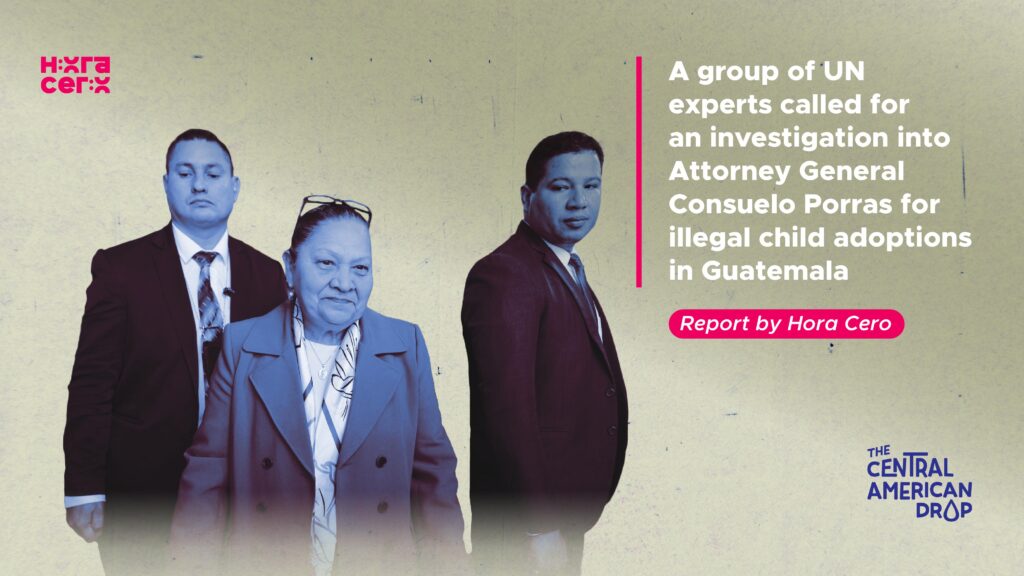
The region’s democratic fragilities are also on display. Although Guatemalan journalist José Rubén Zamora has been released from prison, the judicial harassment against him persists, underscoring ongoing concerns about prosecutorial overreach and the criminalization of investigative journalism in Guatemala. At the same time, a group of UN human rights experts has called for an investigation into Attorney General Consuelo Porras over allegations tied to illegal child adoptions—an intervention that deepens scrutiny of the Public Ministry’s conduct and raises urgent questions about accountability and institutional capture.
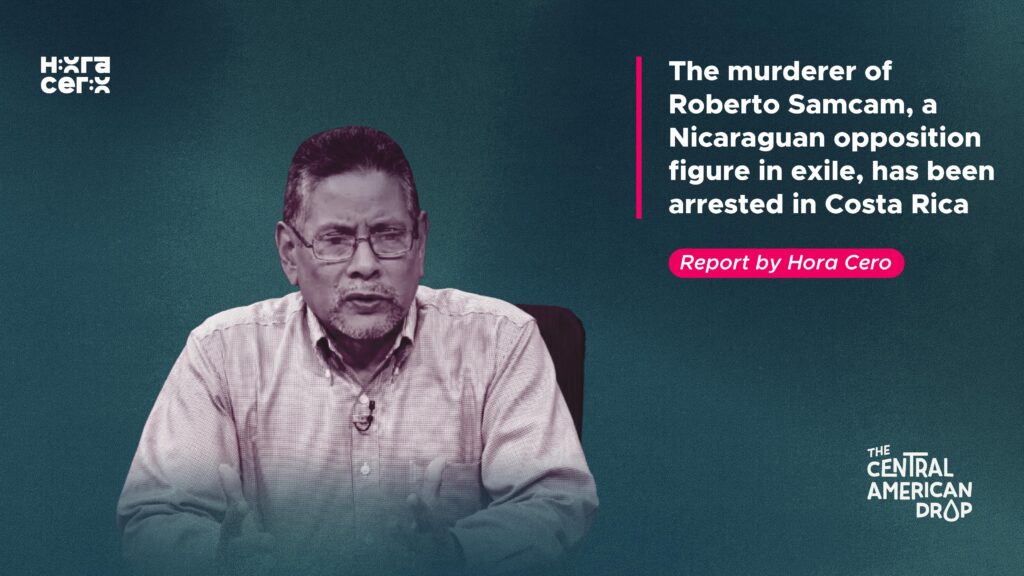
Beyond political crises, the region is grappling with environmental disruption. An unprecedented cold front has swept across Central America, leaving agricultural losses, infrastructure damage, and vulnerable communities exposed to extreme weather conditions. Meanwhile, in a case with regional political implications, authorities in Costa Rica have arrested the alleged perpetrator in the murder of Roberto Samcam, a Nicaraguan opposition figure living in exile—an event that reverberates beyond borders and underscores the transnational dimensions of repression and accountability in the isthmus.
| Cookie | Duración | Descripción |
|---|---|---|
| cookielawinfo-checkbox-analytics | 11 months | This cookie is set by GDPR Cookie Consent plugin. The cookie is used to store the user consent for the cookies in the category "Analytics". |
| cookielawinfo-checkbox-functional | 11 months | The cookie is set by GDPR cookie consent to record the user consent for the cookies in the category "Functional". |
| cookielawinfo-checkbox-necessary | 11 months | This cookie is set by GDPR Cookie Consent plugin. The cookies is used to store the user consent for the cookies in the category "Necessary". |
| cookielawinfo-checkbox-others | 11 months | This cookie is set by GDPR Cookie Consent plugin. The cookie is used to store the user consent for the cookies in the category "Other. |
| cookielawinfo-checkbox-performance | 11 months | This cookie is set by GDPR Cookie Consent plugin. The cookie is used to store the user consent for the cookies in the category "Performance". |
| viewed_cookie_policy | 11 months | The cookie is set by the GDPR Cookie Consent plugin and is used to store whether or not user has consented to the use of cookies. It does not store any personal data. |