
Across Central America, the consolidation of power is increasingly expressed through the restriction of civic space, the targeting of dissent, and the militarization of public life. What is a regional pattern in which governments deploy both institutional mechanisms and symbolic gestures to discipline opposition and reframe legitimacy. This week’s package traces how repression operates across multiple terrains: environmental defense, political participation, and public discourse.
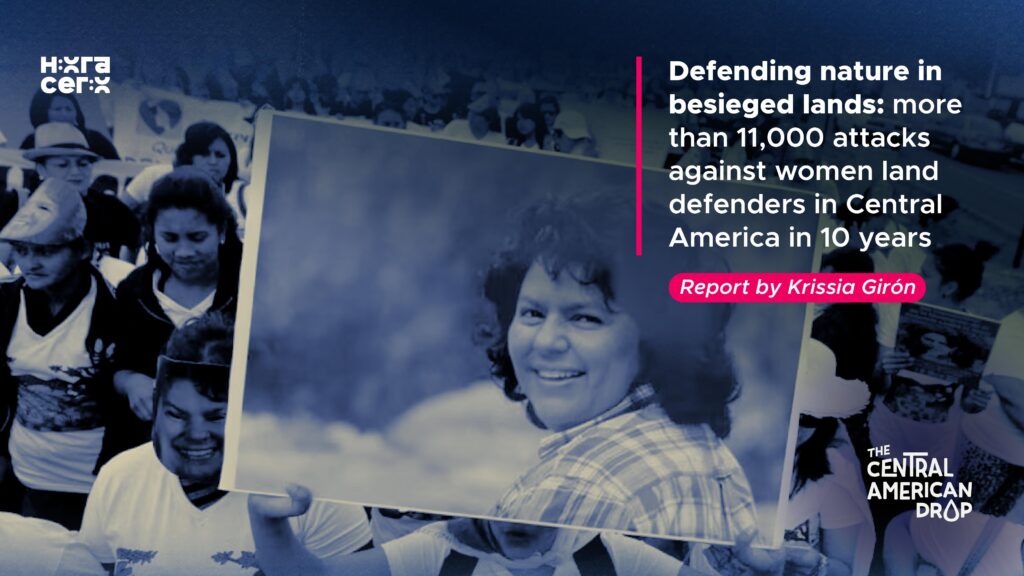
At the frontlines of this dynamic are women land defenders, whose struggle to protect territory and natural resources has made them targets of sustained violence. More than 11,000 attacks over the past decade reveal not only the scale of the threat, but also the structural conditions that enable it—where extractive interests, weak rule of law, and patriarchal norms converge. Defending land in Central America is not only an ecological fight; it is a political act that challenges entrenched systems of power.
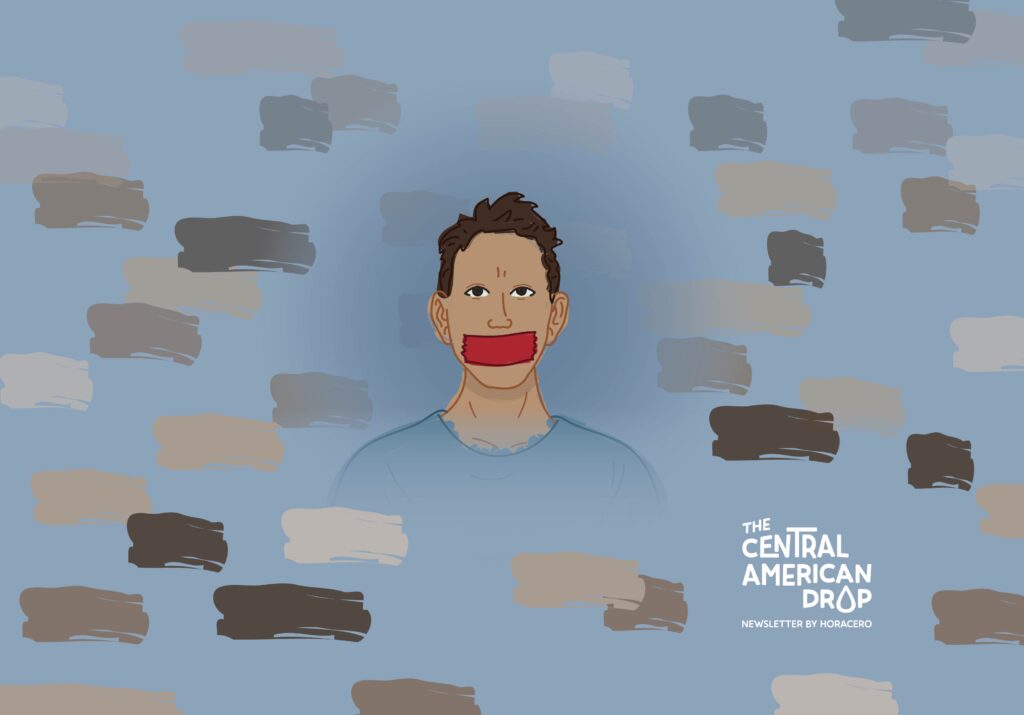
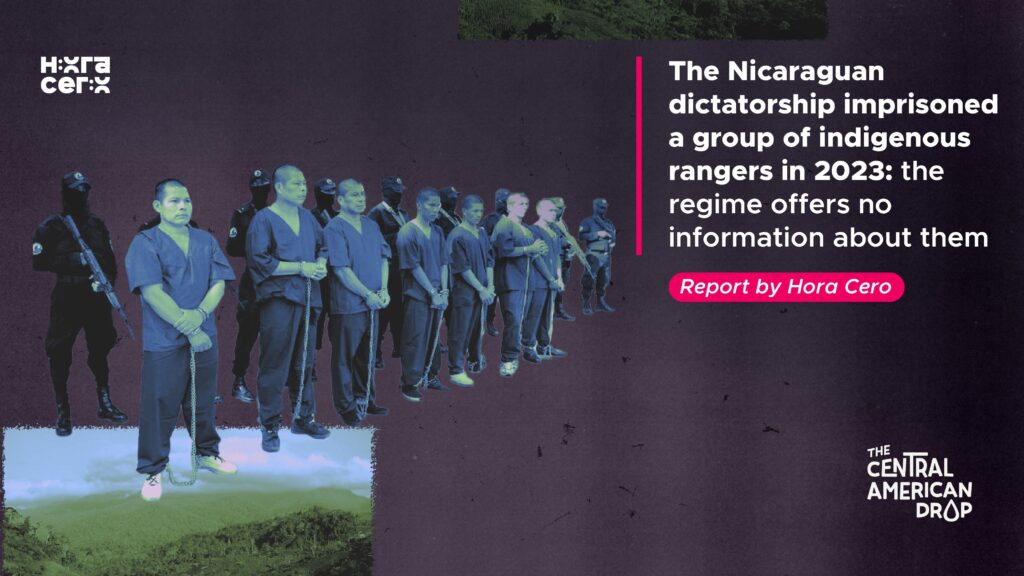
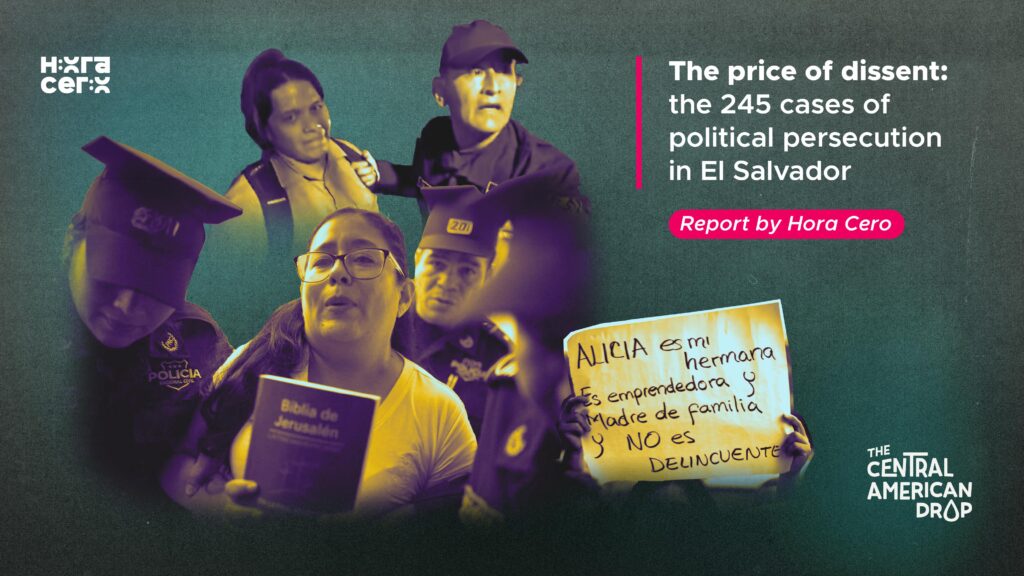
This architecture of control is also evident in the tightening grip of authoritarian governments. In Nicaragua, the forced disappearance of Indigenous rangers following their imprisonment in 2023 underscores the opacity and impunity with which the state operates. In El Salvador, documented cases of political persecution point to an expanding definition of “dissent,” where critics, activists, and ordinary citizens are increasingly subject to surveillance and punitive measures. These cases illustrate how repression is formalized through legal and extralegal means alike.
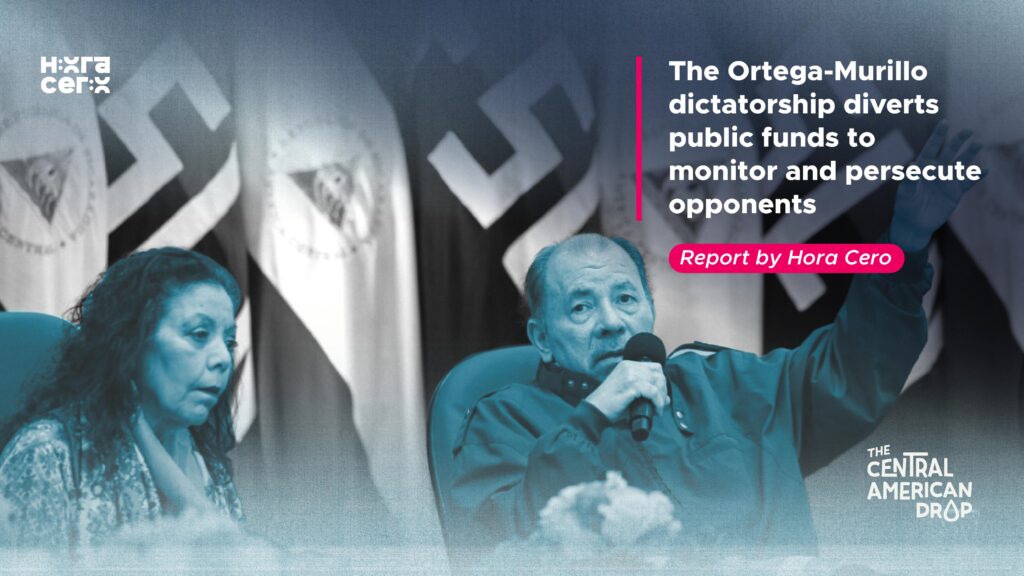
At the regional level, these tendencies are both reflected and reinforced through political spectacle. The recent Shield of the Americas meeting—marked by the presence of twelve presidents but dominated by a single voice—exposes how symbolic violence functions alongside material repression. Meanwhile, the diversion of public funds to monitor and persecute opponents reveals the extent to which state resources are being reoriented toward maintaining control. Taken together, these stories map a region where resistance persists, but at an ever-rising cost.
| Cookie | Duración | Descripción |
|---|---|---|
| cookielawinfo-checkbox-analytics | 11 months | This cookie is set by GDPR Cookie Consent plugin. The cookie is used to store the user consent for the cookies in the category "Analytics". |
| cookielawinfo-checkbox-functional | 11 months | The cookie is set by GDPR cookie consent to record the user consent for the cookies in the category "Functional". |
| cookielawinfo-checkbox-necessary | 11 months | This cookie is set by GDPR Cookie Consent plugin. The cookies is used to store the user consent for the cookies in the category "Necessary". |
| cookielawinfo-checkbox-others | 11 months | This cookie is set by GDPR Cookie Consent plugin. The cookie is used to store the user consent for the cookies in the category "Other. |
| cookielawinfo-checkbox-performance | 11 months | This cookie is set by GDPR Cookie Consent plugin. The cookie is used to store the user consent for the cookies in the category "Performance". |
| viewed_cookie_policy | 11 months | The cookie is set by the GDPR Cookie Consent plugin and is used to store whether or not user has consented to the use of cookies. It does not store any personal data. |